
The cultural significance of gambling exploring rituals and beliefs across societies
Historical Context of Gambling
Gambling has been a part of human culture for millennia, originating in ancient civilizations such as Mesopotamia and China, where rudimentary forms of betting were linked to cultural and religious practices. Archaeological findings indicate that dice made from animal bones date back to around 3000 BC, showcasing that gambling was not merely a pastime but also an intricate aspect of society. These early games often served as a medium for divination, where the outcomes were believed to be dictated by the will of the gods. Today, many Canadian players turn to Bass Bet for a contemporary gambling experience.

As civilizations evolved, so did the forms and rituals surrounding gambling. Ancient Greeks engaged in gambling during religious festivals, intertwining games of chance with spiritual beliefs. The Romans famously incorporated gambling into their gladiatorial games, reflecting a societal acceptance that merged entertainment with risk. The cultural significance of gambling thus transitioned from a spiritual ritual to a civic activity, highlighting its role in societal bonding and communal interaction.
Throughout history, gambling has served as a mirror of societal values and norms. In medieval Europe, it was intertwined with chivalric traditions, where knights would gamble their fortunes as a demonstration of bravery and prowess. Even today, many of these rituals persist in various forms, illustrating how gambling has evolved while retaining its cultural roots. Understanding this historical context provides a framework for analyzing contemporary beliefs and practices surrounding gambling in modern societies.
Gambling Rituals Across Cultures
Rituals associated with gambling can vary significantly across cultures, each infusing their beliefs and traditions into the practice. In many Indigenous cultures, gambling is intertwined with community gatherings and spiritual ceremonies. For example, Native American tribes often engage in games like Liar’s Poker, which serves as both a gambling activity and a bonding experience, reinforcing community ties and storytelling traditions. This highlights gambling as a ritualistic practice rather than merely a financial endeavor.
In Eastern cultures, rituals surrounding gambling often reflect deep philosophical beliefs. In China, games of chance are deeply linked to luck and fortune, with the Lunar New Year being a prime time for gambling festivities. The act of playing traditional games such as Mahjong is not merely about winning money; it embodies family reunions and social cohesion. Therefore, gambling in these contexts serves as a catalyst for cultural identity and continuity.
In contrast, Western cultures often associate gambling with individualism and personal risk-taking. Rituals such as placing bets on sporting events or Bassbet casino games have become part of social gatherings and entertainment. However, these activities also evoke cautionary tales about addiction and financial loss. The rituals, therefore, reflect varying attitudes toward luck and responsibility across cultures, showcasing the multifaceted role of gambling in societal beliefs.
The Psychological Impact of Gambling Beliefs
The beliefs surrounding gambling can profoundly affect individuals’ psychological states. Many cultures imbue gambling with superstitions and taboos, influencing how players perceive luck and risk. For instance, in Western societies, the number seven is often associated with luck, leading players to adopt specific rituals or behaviors to attract good fortune. These psychological facets can enhance the gambling experience, making it more than just a game of chance.
Conversely, the psychological impact of negative beliefs surrounding gambling can lead to problematic behavior. In many cultures, gambling is stigmatized, causing individuals who experience losses to face societal judgment. The duality of gambling as a socially accepted entertainment activity and a potential source of shame illustrates the complexities of its cultural significance. Understanding these psychological impacts can assist in addressing responsible gambling practices and societal attitudes toward the activity.
Furthermore, the interplay between belief systems and gambling has been a subject of psychological research. Cognitive biases such as the illusion of control and the gambler’s fallacy illustrate how players’ beliefs can distort their understanding of risk. These psychological mechanisms shape behavior, contributing to gambling addiction and societal implications that extend beyond the individual. Hence, recognizing these psychological underpinnings is essential for fostering a healthier gambling culture.
Modern Gambling and Cultural Representation
The advent of technology has transformed the landscape of gambling, merging traditional practices with modern innovations. Online gambling platforms like Bassbet casino Canada have expanded accessibility, allowing individuals from various cultural backgrounds to engage with gambling rituals in new ways. However, the representation of gambling in digital spaces often lacks the cultural nuances present in traditional practices, raising concerns about cultural appropriation and misrepresentation.
Films, literature, and media have played a significant role in shaping societal perceptions of gambling. From classic casino films to contemporary web series, the portrayal of gambling reflects and influences public attitudes, often romanticizing high-stakes play while glossing over the potential risks involved. This dual representation can perpetuate myths about gambling while also providing a platform for discussions about its cultural significance.
Additionally, the globalization of gambling has led to the blending of various cultural practices, creating hybrid forms of gambling that incorporate elements from different societies. This fusion can result in the loss of cultural specificity and authenticity, challenging the integrity of traditional rituals. As gambling continues to evolve, it remains crucial to acknowledge and honor the diverse cultural narratives that shape this age-old practice.
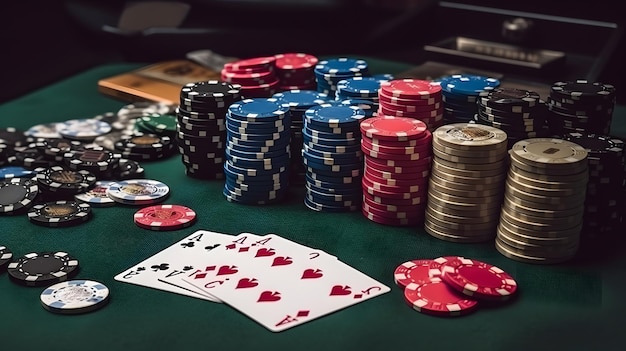
Exploring Bassbet Casino: A Modern Gambling Destination
Bassbet Casino exemplifies the contemporary evolution of gambling, offering an extensive range of games and experiences that cater to a diverse audience. With over 9,050 games, including classic casino options and live dealer experiences, Bassbet provides a virtual space where players can engage with gambling in a dynamic and secure environment. This platform reflects modern society’s inclination toward accessibility and innovation in gambling.
For new users, Bassbet casino review ensures a rewarding experience with generous welcome bonuses, including promotions that allow players to maximize their initial gaming experiences. By prioritizing security through advanced encryption technology, the platform builds trust among players, aligning with cultural expectations for safe gambling practices. Moreover, the commitment to responsible gaming showcases a growing awareness of the potential psychological impacts associated with gambling.
As an engaging online destination for Canadian players, Bassbet also promotes a sense of community among its users through features like tournaments and interactive gaming options. This aligns with the historical and cultural significance of gambling as a communal activity while embracing modern advancements. By providing an engaging platform, Bassbet plays a crucial role in the ongoing dialogue surrounding the cultural significance of gambling in today’s society.